Rovers on the Ground
Our robotic avatars leaving the first tracks in the ancient dust.
The Vanguard of Aluminium and Silicon
Before human boots can imprint upon the regolith of Mars, we send our mechanical proxies. These rovers—marvels of engineering born from the blush and plum hued drawing boards of Earth—are more than just cameras and drills; they are the extended nervous system of humanity itself.
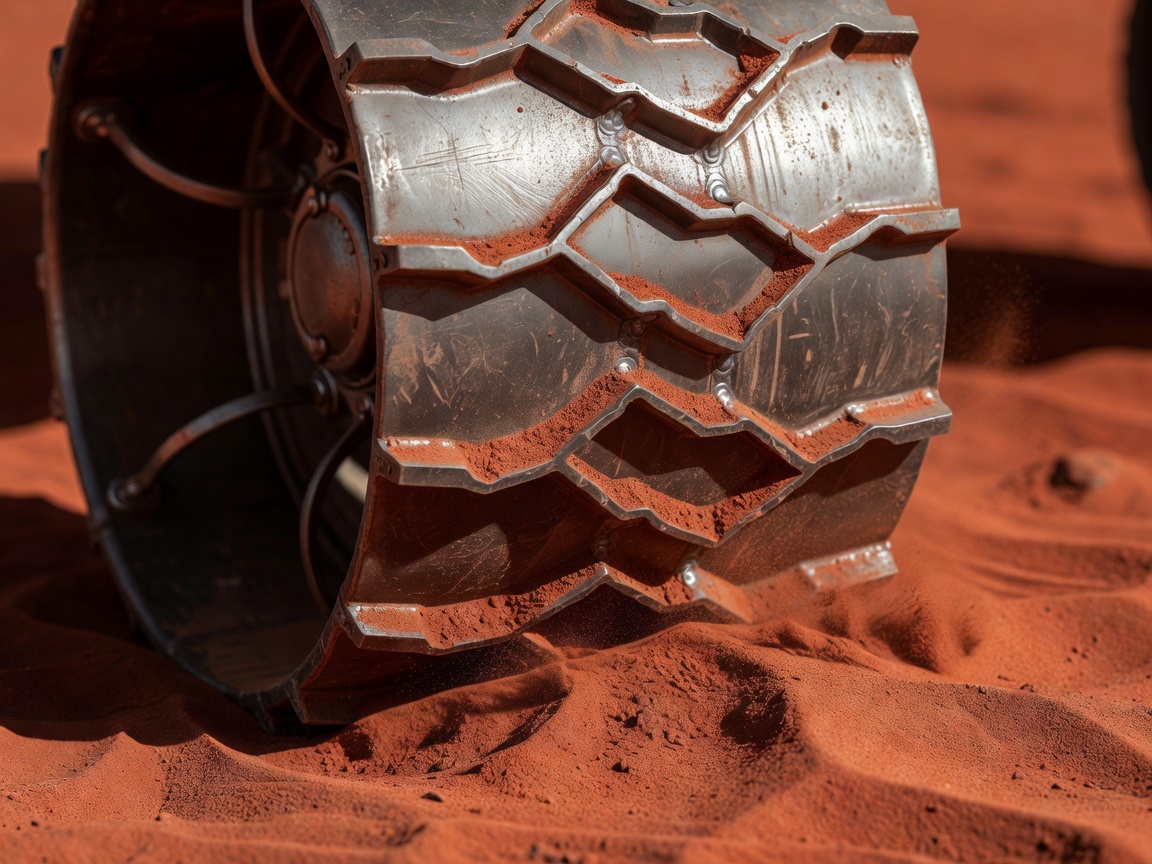
Operating in an environment where temperatures plunge to devastating depths, every joint, every optical lens, and every power core is heavily scrutinized. A close-up detail shot of a rover's tread reveals the intricate machining required to grip soil that hasn't shifted in a millennium.
Analytical Laboratories on Wheels
Modern rovers do not merely observe; they consume and analyze. Equipped with laser-induced breakdown spectroscopy and X-ray spectrometers, they vaporize pinhead-sized portions of rock to divine the planet's wet, ancient history. They are searching for the poetic echoes of microbial life, seeking to answer if we are alone in the dark.
Telemetry Snapshot
Average Speed: 0.1 miles per hour (a deliberate, cautious waltz).
Power Source: Multi-Mission Radioisotope Thermoelectric Generator.
Communication Delay: 4 to 24 minutes, demanding profound autonomous intelligence.
The imagery returned is haunting. Shallow depth of field shots isolating a singular, wind-sculpted rock against a blurred horizon of infinite, empty crater rims. It is an aesthetic of beautiful desolation, a canvas waiting for the next great leap.